
Solving Today’s Biggest Medical Device Assembly Challenges
Technologies to Help Manufacturers Build Smaller, Smarter and More Reliable Devices
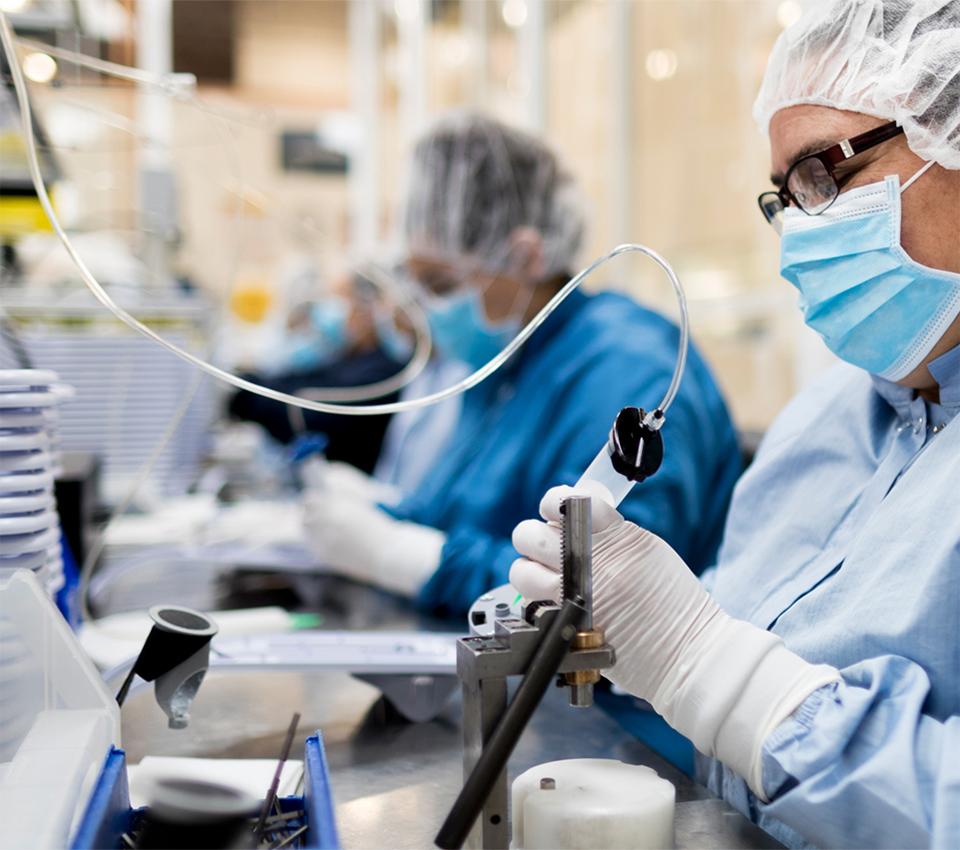
Medical device manufacturers are under constant pressure to innovate. Devices are becoming smaller, lighter, more connected and more feature-rich, while expectations for durability, reliability and manufacturing efficiency continue to rise.
Whether developing patient monitoring systems, wearable devices, diagnostic equipment or hospital instrumentation, engineers face a common challenge: how to assemble increasingly complex products without sacrificing performance, manufacturability or design flexibility.
The Challenge of Modern Medical Device Design
Traditional mechanical fasteners such as screws, rivets and welds have long been used to assemble medical devices. While effective, these methods can introduce design limitations that become increasingly problematic as devices become more compact and sophisticated.
Common challenges include:
- Limited space for mechanical attachment methods
- Complex multi-material assemblies
- Exposure to cleaning agents and sterilization processes
- Requirements for sealed, low-profile designs
- Demand for automated, high-volume manufacturing
- The need to reduce weight while maintaining durability
As device designs evolve, manufacturers are increasingly looking for alternative assembly methods that can support both product performance and production efficiency.
Why Bonding Technologies Are Replacing Traditional Fasteners
Advanced tapes and adhesives offer a different approach to medical device assembly by creating strong bonds without adding bulk or requiring mechanical attachment points.
Compared to traditional fastening methods, bonding solutions can help manufacturers:
- Reduce device weight
- Eliminate visible fasteners
- Create smoother, easier-to-clean surfaces
- Improve sealing against moisture and contaminants
- Distribute stress more evenly across assemblies
- Enable thinner, more ergonomic designs
- Support automated production processes
These advantages make bonding technologies particularly valuable for next-generation medical devices where size, performance and aesthetics all matter.
Supporting Innovation Across Medical Device Applications
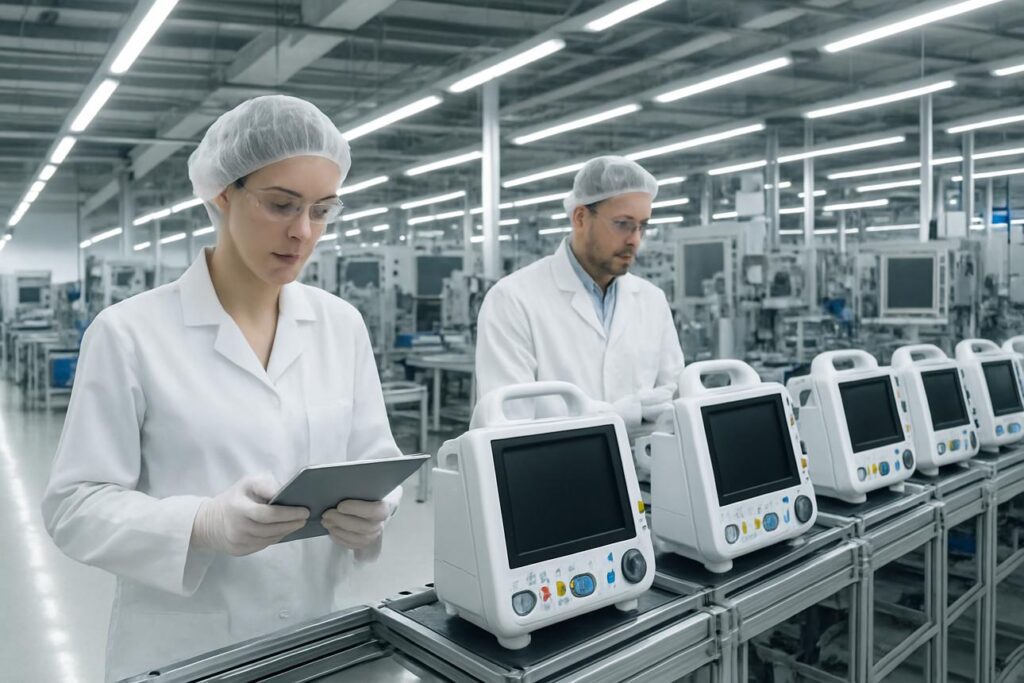
Different medical devices present unique assembly challenges.
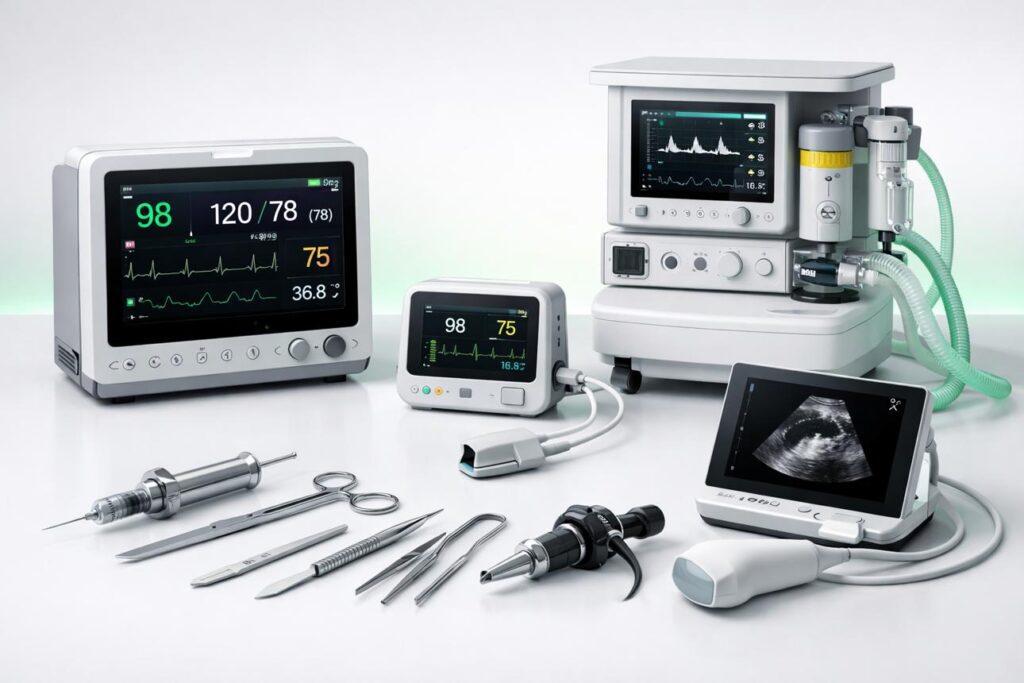
For patient monitoring and imaging systems, manufacturers often need solutions that support display bonding, protect sensitive electronics and maintain optical clarity through repeated cleaning cycles.
Wearable and portable devices require durable bonds that can withstand vibration, movement and frequent handling while supporting lightweight, compact designs.
Diagnostic and point-of-care testing equipment depend on precise, repeatable assembly processes that enable high-volume production without sacrificing accuracy or reliability.
Hospital equipment and medical furniture require durable attachment methods that withstand cleaning chemicals, reduce noise and vibration and support long-term serviceability.
In each case, selecting the right bonding technology can have a significant impact on product performance and manufacturing success.
How 3M Helps Solve Medical Device Assembly Challenges
3M offers a broad portfolio of tapes, adhesives, fasteners and labeling solutions designed to help manufacturers address a wide range of assembly requirements.
Solutions include:
- High-performance acrylic adhesives for durable bonding
- Adhesives engineered for difficult-to-bond plastics
- Optical bonding tapes for displays and sensor applications
- Reclosable fastening systems for serviceable equipment
- Durable labeling materials for sterilization and traceability requirements
- Vibration-damping and sealing solutions for portable and handheld devices
These technologies help manufacturers create compact, reliable and production-ready designs while supporting both manual and automated assembly processes.
Beyond Products: Engineering Support for Better Outcomes
Successful medical device assembly involves more than selecting an adhesive or tape.
Manufacturers often need support with material selection, automation strategies, die-cutting and converting, process validation and scale-up to production.
Through its engineering resources, testing capabilities, converter network and automation support programs, 3M helps manufacturers reduce development risk and accelerate the path from concept to commercialization.
Build the Next Generation of Medical Devices with Confidence
As medical devices continue to become smaller, smarter and more connected, assembly methods must evolve alongside them.
By leveraging advanced bonding technologies and engineering expertise, manufacturers can overcome design challenges, improve manufacturing efficiency and create devices that meet the performance expectations of today’s healthcare environment.
Partner with R.S. Hughes and tap into the proven expertise of 3M bonding and assembly solutions to help bring your next medical device innovation to life.