

Designing for Supply Chain Resilience in Electronics Manufacturing
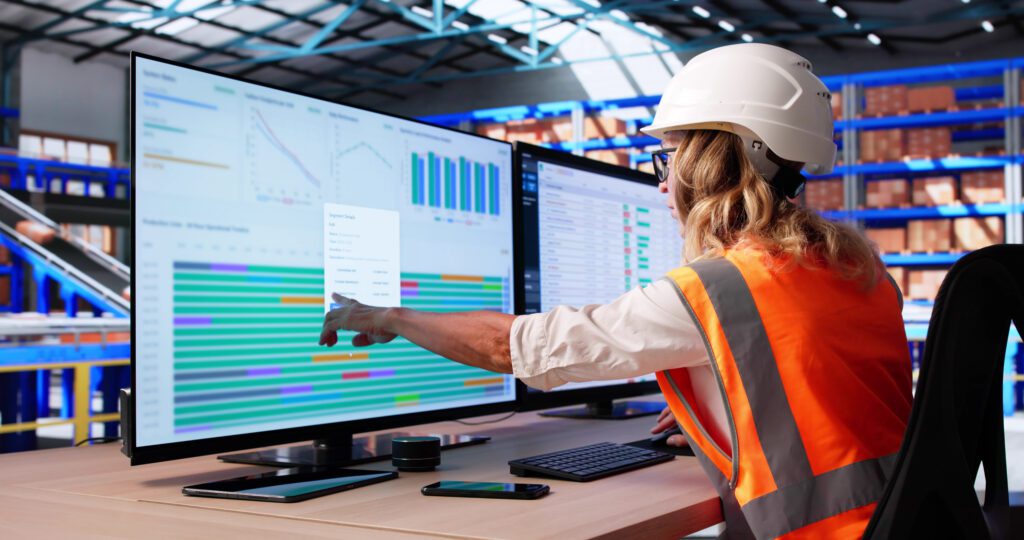
In an era defined by technological growth, electronic manufacturing demand remains strong. Companies are prioritizing technologies such as artificial intelligence and electric vehicles, keeping manufacturers busier than ever. But with that growth comes ongoing challenges, including supply chain volatility, component shortages, long lead times and more pressure to improve production efficiency.
With the increased growth comes a greater need for supply chain resilience. Engineers and procurement leaders must now be more involved at every stage of manufacturing, from design to distribution, to ensure proper sourcing, material selection and production.
Design Decisions Shape Supply Chain Outcomes
Supply chain risk doesn’t start on the production floor—it starts in design. Material and component decisions directly influence how easily a product can be sourced, scaled and manufactured.

Without aligning performance, availability and manufacturability early, teams face delays and redesigns later. “Each application demands specific insulation, gasketing and shielding strategies,” says Arturo Nunez, Saunders General Manager. “If the right materials aren’t chosen, you risk performance loss, safety issues or even a complete shutdown.” In response, engineers are designing with flexibility in mind—considering alternative materials and supply realities from the outset.
As products become smaller and more complex, production-ready materials are critical. “Customers can make better purchasing decisions by understanding what they’re using and how often,” explains Craig Schilling, Vice President of Supply Chain. With technical expertise, strategic material selection guidance and prototyping support, manufacturers can validate designs early, while converting capabilities ensure materials are optimized for scale and adaptable to supply constraints. “It also helps eliminate over-ordering while ensuring critical supplies are always available.”
Solving Inventory Visibility Challenges with Data-Driven Insights
Even with strong design, disruptions still happen. Inventory strategies often determine the impact. Delays can go unnoticed when the right inventory plan is in place. “It’s important to utilize inventory to overcome any shortcomings or issues with the supply chain so you don’t miss a beat,” says Nick Longenbach, a National Accounts Senior Representative at R.S. Hughes.
Manufacturers are shifting from basic stock management to data-driven systems with real-time visibility into usage and demand. Inventory management solutions like SupplySight™ enable automated replenishment and more proactive planning, reducing stockouts and excess inventory. “Solutions like these provide 24/7 access to reporting, giving customers full visibility into their inventory usage and trends,” says Schilling.
Engineering and Procurement Working Together
As design and supply chain strategies become more interconnected, collaboration between engineering and procurement teams is becoming essential. Historically, these groups operated in silos—engineering focuses on performance, while procurement prioritizes cost and availability.
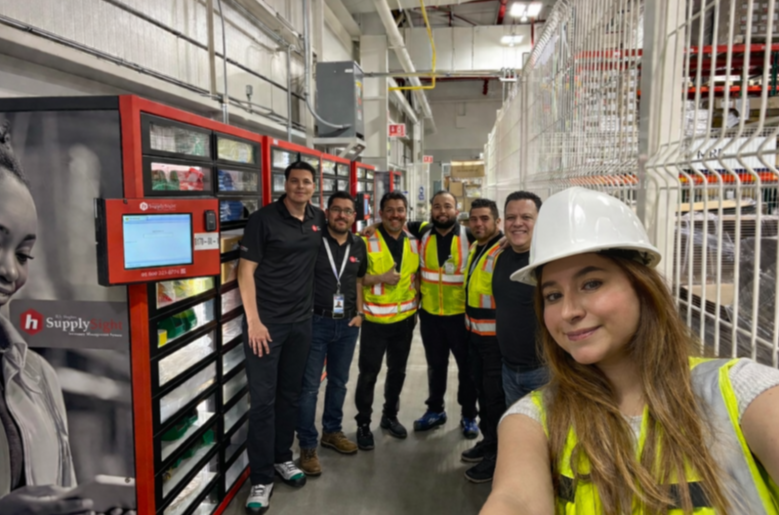
Today, separation creates risk. When procurement is brought in too late, teams may face sourcing constraints that force redesigns or delay production. Industry insights show that by aligning material selection with supplier availability and lifecycle considerations earlier in the process. “Ideally, we want to be on the ground floor making recommendations and supporting supply,” explains Longenbach.
Ongoing communication plays a critical role. Regular updates on production changes, demand fluctuations and forecasts allow teams—and their suppliers—to stay ahead of potential disruptions. “Communication is everything,” says Longenbach. “If we understand how production is changing, we can adjust and stay ahead of it.”
This shift toward partnership, rather than transactional relationships, helps ensure that materials, inventory and production plans remain aligned throughout the lifecycle. “If we treat it as a true partnership, we can keep production running without hiccups,” says Longenbach.
Building Supply Chain Resilience from the Ground Up
Supply chain resilience in electronics manufacturing is no longer confined to logistics or inventory management. It is built across the entire product lifecycle, from design and material selection to inventory visibility and cross-functional collaboration.

From initial concept to production ramp-up, Saunders supports engineers with material expertise, prototyping and precision converting to validate designs and improve manufacturability. Paired with SupplySight, which provides full visibility across the product lifecycle, manufacturers gain the control needed to minimize disruptions and build supply chain resilience from design through distribution.
Connect with a specialist to discover how better inventory planning can help minimize disruptions and support more efficient electronic manufacturing.