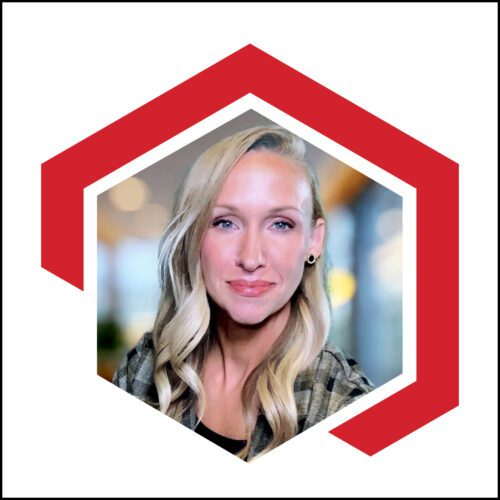

Kurtis Lakhani: Growth, Grace and Learning to Lead
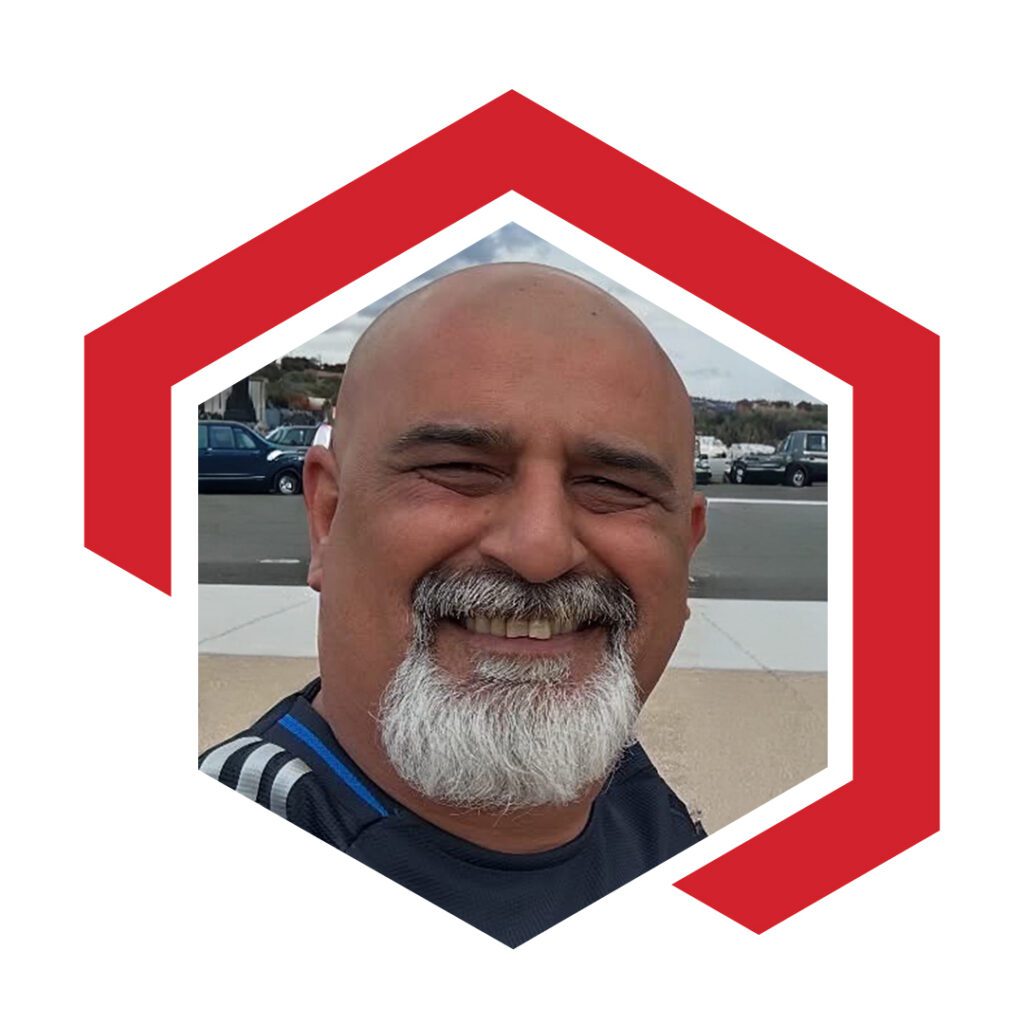
Kurtis Lakhani reflects on his early beginnings in Uganda, the leadership lessons that shaped him and why helping others grow matters most.
Contributed by Kurtis Lakhani, Director of Sales Support and Supply Chain, 29 Years
Learning to Lead
When I started as a manager trainee at R.S. Hughes nearly 30 years ago, I had the option to follow either an operations path or a sales path. Since I had already spent much of my childhood and young adulthood in sales at my dad’s camera store, operations gave me a chance to build a new skill set.
For the first few years, I worked as a floater, which exposed me to several branches throughout Southern California. Then, in early 2001, I was given the opportunity to manage the Riverside location. That’s when I really started learning what it meant to be a manager, a coach and a leader.
Unfortunately for the people around me, I learned a lot of it through trial and error. When I walked into Riverside, I showed up with a chest full of ego and a lot of “I know.” I was a bull in a china shop. I made mistakes with coworkers, customers and just about everyone. But our culture encouraged learning and development, and that made all the difference.
I was fortunate to be surrounded by people who were patient with me, including Patty Kornacki, who is still with our Customer Care Team today, and many others who gave me the grace to grow.
Patty managed some of our key accounts, and I started sticking my nose in, calling and emailing customers and trying to “help.” Very politely, she let me know, “I’ve got this. I know what I’m doing. I manage the account. I manage the relationship.” What she was really telling me was that I was overstepping.
That’s where I started to understand the value of not being a micromanager. Some of my best mentors were the people who stayed with me through that learning process. People like Patty and Mark Almaraz gave me advice, guidance and honest feedback that helped me improve.
That lesson stayed with me. As a manager, I’ve learned that I don’t manage people. I manage things. If you want to be a successful manager, you manage the obstacles, roadblocks and challenges that make your team’s daily life harder. Remove those barriers, and your people will thrive.
An Unexpected Honor
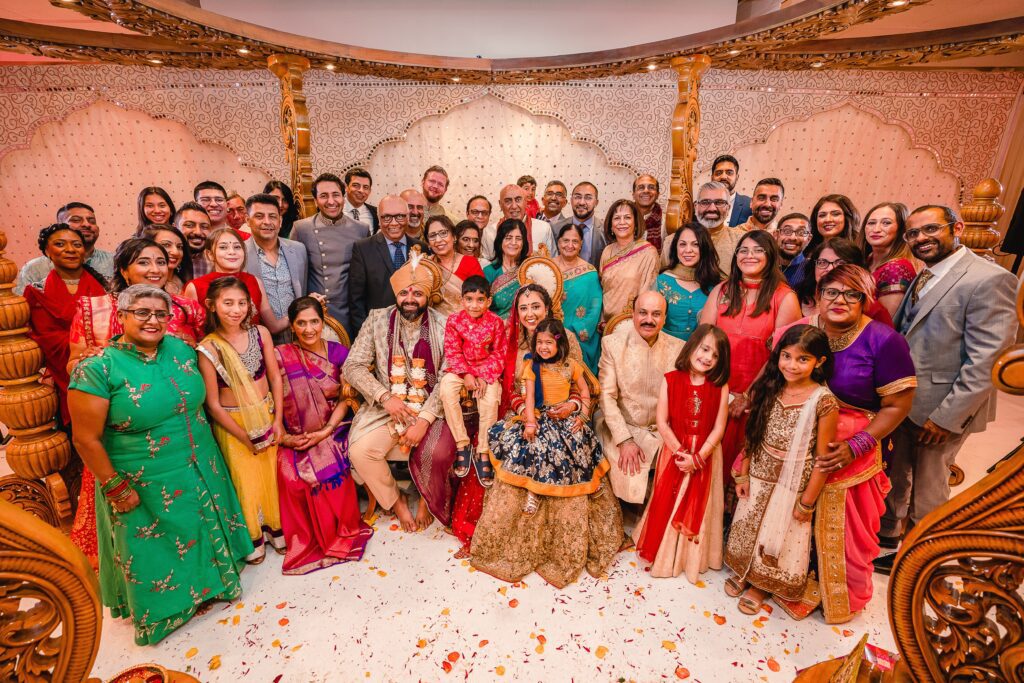
When I heard my name announced during a recent Town Hall as the first top honoree of the Living Our Values award, I had to turn off my camera. Normally, I leave my camera on during meetings because I believe that when we’re together, we should really be together. It was probably the biggest positive gut shot of my career.
I was grateful, of course, but also uncomfortable. Recognition has never been something I’ve gone looking for. I’ve always believed my job is to help other people grow, not to stand in the spotlight myself.
That’s one reason the award was so hard for me to process. The other honorees, National Operations Manager MX Francisco Ontiveros, System Support Data Analyst Long Nguyen and Customer Care Manager Shane Lightsey, were equally deserving, if not more so. I’m just the guy people call when they want to learn how to do something. They are the people helping structurally hold this place together.
So, I’m incredibly grateful, deeply humbled and honestly a little embarrassed, because I know there are so many people at R.S. Hughes who live our values every day.
That belief is shaped by the people who gave me grace when I made mistakes, by the teams who taught me how to lead and by a life that began far from where my career eventually took root.
Starting Over
I was born in 1971 in Kampala, Uganda. Most people have heard of Idi Amin, the brutal dictator responsible for mass killings and widespread human rights abuses in Uganda during the 1970s. My family lived through that.
First, Amin forced Jewish people out of the country. Then he expelled the Indian-Asian population, including my family.
I was just one year old when we left Uganda. My family scattered in different directions. One uncle went to India and eventually walked from Delhi to London. Another uncle and his wife had to find a covert way out of Uganda because they were on Amin’s bad list, and they settled in Canada, where they still live today. And then I had another aunt who moved to California.
My family went to England because my dad was a British Protected Person and my mom was a British citizen. My dad hated the English weather. It was cold and damp, which was bad for his back. When we visited my aunt in California in 1979, my dad realized that his back stopped hurting.
That convinced my parents to make a change. By 1981, we had our green cards and moved to Torrance, California, to live with my aunt. My mom found work right away with a microchip manufacturer, but my dad had a much harder time. He had spent his whole career in sales, yet he couldn’t get hired. Between his unusual name, speaking the Queen’s English instead of American English and the challenge of translating his experience to the U.S. job market, nothing seemed to click. Within six months, we were already planning to return to the UK.
Then my dad’s best friend, who lived in San Francisco and owned a camera store, stepped in. He told my dad, “Don’t give up yet. Give it six months. Come live with us, work at the store and we’ll see what happens.”
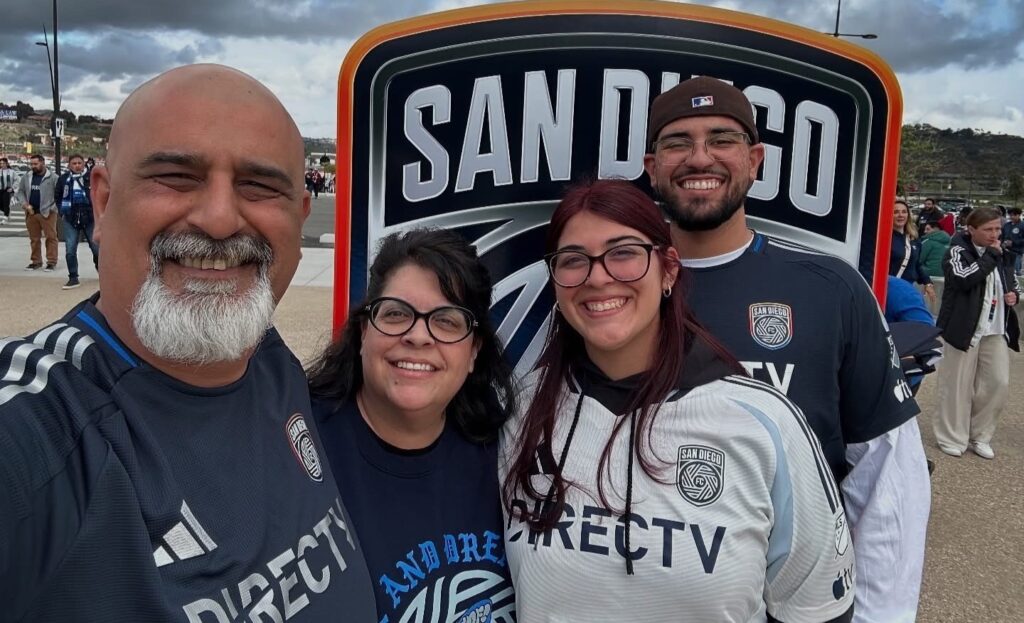
Six months turned into four years. Eventually, my dad bought a camera shop in San Clemente and ran it for 35 years. Working in my dad’s store also shaped how I think about sales. My dad, God rest his soul, was very firm about who and how he would sell to. If someone came in acting shady, trying to be a jerk or trying to devalue his worth, he didn’t give them much time.
That taught me early on that the best customer relationships are built on honesty, mutual respect and real partnership. Over the years, I’ve tried to approach business the same way. Are we going to work together to create cost savings, improve productivity and maybe even reengineer a process or product? Or is this just transactional?
I’ve learned that when you build real relationships internally and externally, with vendors or with customers, you have people you can call on to help solve problems when needs arise.
Why I Stick with R.S. Hughes
After I started at R.S. Hughes, it didn’t take long for me to realize I wasn’t going anywhere else. The relationships you build when you work shoulder to shoulder with people are incredible. Over the course of my career, I’ve made lifelong friends here. That genuine family-oriented environment is what kept me here.
I’m careful about saying a company is “like a family” because in a lot of cases, that phrase gives me the ick. But there is a real distinction at R.S. Hughes. We’re creating a culture where people feel ownership, connection and shared purpose. That’s what I really love about R.S. Hughes.
To me, the secret to R.S. Hughes’ success is that we are truly customer centric. Everything we do is grounded in honesty, integrity and openness. If you make a business decision within those parameters, even if it doesn’t turn out to be the best decision in hindsight, it is still a good decision. You’re not going to be punished for acting honestly, openly and ethically.
That mindset extends internally, too. Our culture is about so much more than tape and glue. I can call almost anyone in any department and have a conversation. That says a lot about who R.S. Hughes is as an organization.